Genomics of Evolutionary Change - EVOCHANGE
EVOCHANGE addresses fundamental and applied research questions in evolutionary biology. We use genomic approaches to study the evolution of natural populations and their adaptation to environmental change, and to promote the conservation and sustainable management of biodiversity, and science education.
Understand the
evolution and adaptive potential of local populations
We use genomic approaches to reveal local adaptation and the genetic basis and evolution of adaptive traits, and to assess their adaptive potential under environmental change, including anthropogenic climate change. One of our main study systems is seasonal coat colour change and its associated winter colour polymorphism.
Unravel the
evolutionary history of natural populations
We use genomics to study the evolutionary history of natural populations and species, looking for genetic signatures of evolutionary change, at two timescales: at a deep level, shaped by natural forces, and at a recent level, driven by human intervention. We specifically study the impact of these changes on interspecific interactions, assessing the extent and impact of hybridization and introgression on the genetic composition of species.
Inform
conservation and the sustainable use of biodiversity
We integrate the results of our work to clarify the evolution of species and populations, as well as their capacity to respond to environmental change, to inform management and promote their conservation. This also includes understanding and mitigating impacts of disease both in the perspective of the affected host and the causative agents.
Explore the impact
of the scientific reasoning in students' learning
We develop and implement yearly scientific projects with high-school students, introducing them to the process of scientific research and scientific reasoning, and often promoting first-time contact with research. We aim to assess the impact of these projects in students' learning and their scientific literacy.
Our research is
question-driven, and we use a variety of biological models to address our
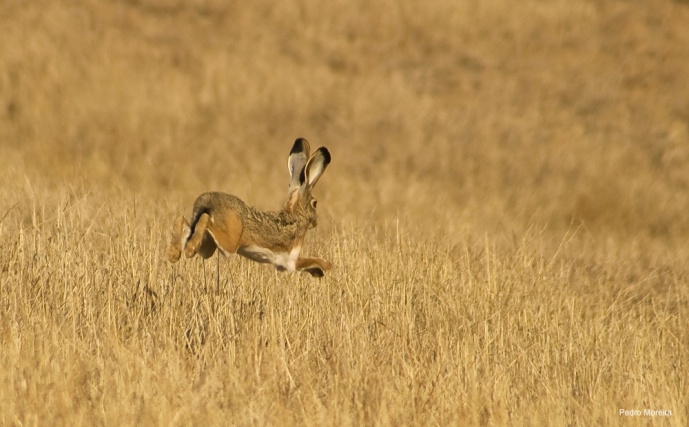
objectives. Current projects study hares, weasels, pollinator insects, mice,
sharks, cavernicolous ground beetles and the fire blight pathogen.
The group is permanently open to new students,
researchers, and collaborations, and to broaden the scope of our research. To
know more about us, check out our blog: https://evoluchange.wordpress.com/.