Marcela Alvarenga
PhD Student



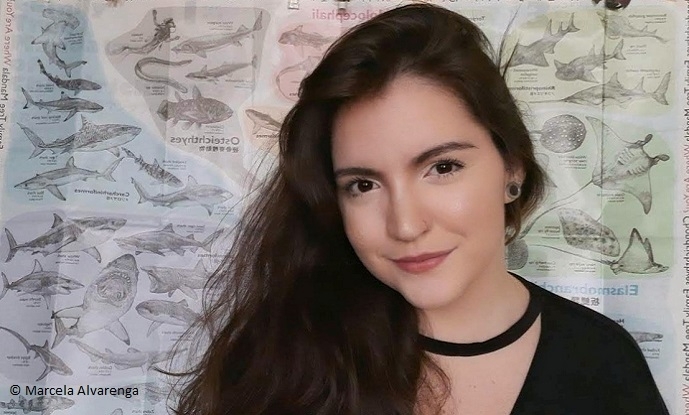
I am a PhD candidate at the University of Porto, based at CIBIO-InBIO, part of the EVOCHANGE (Genomics of Evolutionary Change) research group. I hold a Bachelor’s (2017), a Master’s (2020) and a Teaching degree (2021) in Biological Sciences, specializing in Genetics, from the Federal University of Rio de Janeiro (UFRJ), Brazil.
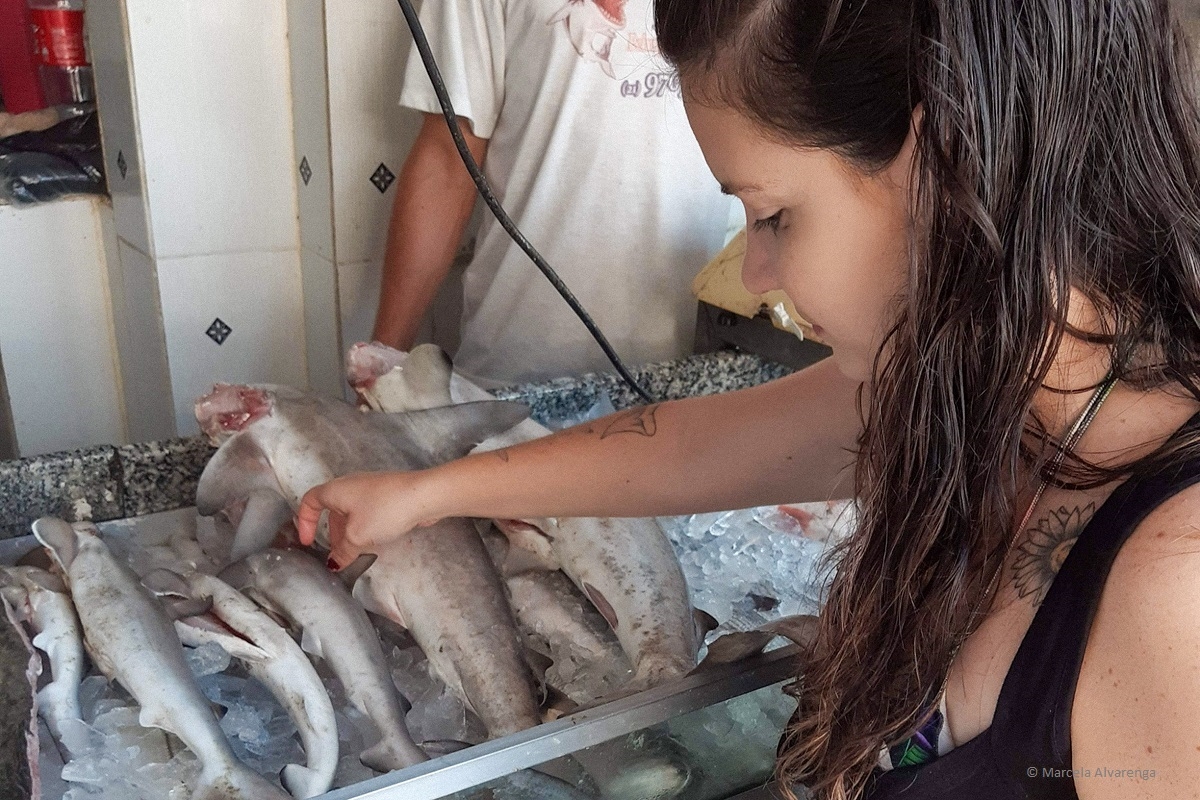
My academic path began in the Department of Marine Biology at UFRJ, in long-term ecological monitoring projects tracking environmental responses to climate change in the endemic coral reefs of the Abrolhos Reef System, Bahia. During this period, I also studied the morphological and genetic diversity of benthic filamentous cyanobacteria and their allelopathic effects on coral reefs. For my Master’s, I moved to the Department of Genetics at UFRJ to work in conservation genetics, investigating the trade of endangered species, particularly sharks and rays, through molecular analyses, next-generation sequencing and bioinformatic pipelines.
This trajectory shaped my current research interest: how biodiversity responds to anthropogenic pressures, including climate change, overexploitation and pollution, and how these impacts can be mitigated. My work develops along three tracks.
The first is evolutionary genomics: I investigate the evolution and adaptive potential of seasonal camouflage across weasel species (genera Mustela and Neogale), which molt between white winter and brown summer pelage. This work combines population genomics, phylogenomics, genetics and ecological modeling to characterize the genetic basis of this color polymorphism and the climatic limits of species’ capacity to keep adapting to it as the climate changes.
The second is applied conservation genetics: I develop and apply genetic tools, including DNA and eDNA-based methods, to monitor the illegal trade of wildlife species, particularly sharks and rays, in support of their conservation and sustainable fisheries management.
The third is science communication: I develop and apply methods to spread the scientific message more effectively, from social media content and digital marketing strategies to school talks and didactic learning materials, making genetics and conservation research accessible to broader audiences.