
Biodiversity in Agricultural and Forest Ecosystems - AGRODIV
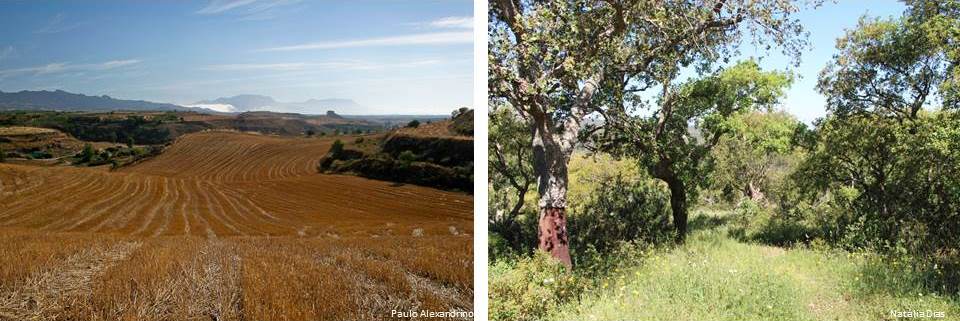
The AGRODIV group aims to improve our knowledge on the ecology of managed agricultural and forest ecosystems, in order to assess the impacts of practices and policies (at national and EU-level) on biodiversity and ecosystem services (BES). During 2013-2017, research was organized along three major axes:
Farming systems and policy impacts: This research line focuses on the impacts of farmland management on biodiversity, and how policy changes (in particular the Common Agricultural Policy) affects farming systems that then drive biodiversity. Past and ongoing focus issues include:
- exploring a farming systems approach to model policy impact on farmland biodiversity and ecosystem services (BES);
- how changing grassland management impacts BES;
- the effects of intensification in olive groves on BES;
- methods to identify high natural value farming systems and assessment of biodiversity values associated to these systems.
Global change and farmland biodiversity: This focuses on the impacts of climate and anthropogenic-driven changes on biodiversity. Topics include:
- assessing the impacts of climate change on physiology, behavior and habitat selection of farmland birds;
- the use of animal tracking and movement ecology approaches to learn key aspects of the ecology of species with conservation value;
- evaluating the impact of anthropogenic infrastructures (e.g. power lines, solar farms, roads, buildings) on biodiversity, with a strong focus on a Research Chair in Biodiversity sponsored by the electricity transmission company REN.
Forest ecology and management impacts: Research ranges from applied ecology studies to biodiversity assessment and includes:
- forest management impacts on aquatic ecosystems;
- ecology of threatened forest taxa;
- plant-animal interactions, including plant and seed dispersal patterns.